In the world of brewing, every stage of the process plays a vital role in delivering high-quality beer. Among these steps, lautering is one of the most crucial, as it directly influences clarity, flavor, and yield.
The Role of Lautering in Brewing
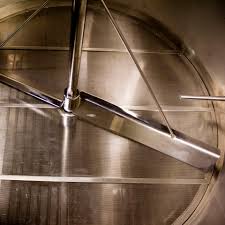
After mashing, the grain bed becomes a dense mixture of solids and liquid. Lautering is the process of separating these two components. The lauter tun, with its false bottom, acts like a large natural filter. As the wort drains through the grain bed, the false bottom catches larger particles, ensuring that only clear liquid moves on to the next phase -boiling.
For brewers, consistent lautering performance translates to better yields, improved clarity, and fewer unwanted solids in the kettle.
At the heart of this filtration process is a key piece of equipment: the false bottom lauter tun. Designed to separate wort from the spent grains, this component ensures optimal filtration and brewing efficiency.
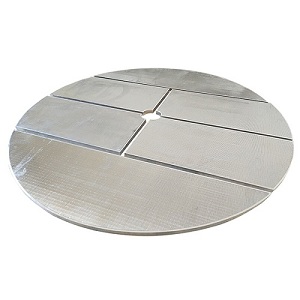
A false bottom is a specially designed screen or perforated plate that sits at the base of the lauter tun, a vessel used during the lautering phase of brewing. Its purpose is simple yet essential: it allows the sweet wort to pass through while holding back the spent grain husks and solids.
Most false bottoms are made from stainless steel wedge wire, slotted plate, or perforated sheet, depending on the brewery’s scale and preference. The design ensures an even flow of liquid, reducing the risk of channeling and improving wort clarity.
Wedge wire screens used in brewery system:
• Lauter tun screen
• False bottom screens
• Custom-made screens for retrofit or new installations
Whether a small craft brewery or a large-scale producer, a reliable lauter tun setup ensures your beer maintains the clarity, flavor, and consistency your customers expect.