In Which Industries Are Wire Screen Support Grid Grating Primarily Used?
Wire screen support grid grating, commonly known as wedge wire support grids or Johnson screen grids, is widely used in industrial filtration and separation systems where high strength, reliable media retention, and long service life are required. Manufactured by resistance-welding V-shaped profile wires onto support rods, these grids create continuous slot openings that combine structural rigidity with efficient flow performance.
Compared with traditional perforated plates or woven wire mesh, wedge wire support grids provide higher open area, lower pressure drop, and superior resistance to clogging. Because of these advantages, they have become essential components in many heavy-duty industrial applications, including petrochemical processing, water treatment, food production, chemical manufacturing, and mining operations.
What Is Wire Screen Support Grid Grating?
Wire screen support grid grating is a rigid filtration and load-support structure designed to retain process media while allowing liquids or gases to pass through efficiently. The grid is typically fabricated from stainless steel wedge wire profiles welded to support rods, creating continuous and precise slot openings.
The V-shaped wire design is one of the most important features of this system. The slot opening is narrower at the surface and gradually widens inward, which helps reduce clogging and improves self-cleaning performance during operation.
These support grids are commonly installed in:
Pressure vessels
Filtration tanks
Reactor internals
Media support systems
Underdrain assemblies
Screening equipment
Depending on the application, wire screen support grids can be manufactured as flat panels, circular discs, curved sections, or customized reactor support plates.
Why Are Wedge Wire Support Grids Preferred in Heavy Industrial Systems?
High Load-Bearing Capacity
One of the primary reasons industries use wedge wire support grids is their exceptional mechanical strength. The welded construction creates a self-supporting structure capable of handling both static and dynamic loads.
In industrial reactors and filtration vessels, support grids often carry heavy materials such as:
Catalyst beds
Activated carbon
Resin media
Sand filtration layers
Molecular sieves
Traditional wire mesh systems may deform or collapse under these conditions, while wedge wire support grids maintain structural integrity even under high pressure and elevated temperatures.
Reduced Pressure Drop and Improved Flow Distribution
Flow efficiency is critical in industrial processing systems. Excessive pressure drop can reduce operational efficiency, increase energy consumption, and negatively affect filtration performance.
Because wedge wire grids provide a high open area, they allow fluids and gases to flow more evenly through the system. This improves:
Hydraulic performance
Flow distribution
Filtration efficiency
Reactor productivity
Compared with perforated plates, wedge wire support grids typically generate lower resistance to flow, making them suitable for high-capacity processing systems.
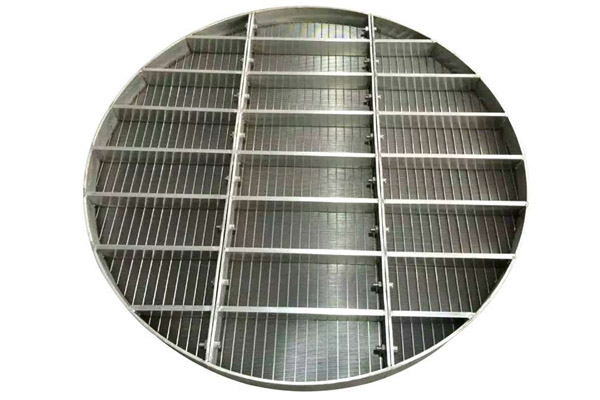
Anti-Clogging Slot DesignThe V-shaped profile wire design creates continuous slots that are wider internally than at the surface. This geometry minimizes particle buildup and prevents solids from becoming trapped inside the screen openings.
As a result, wedge wire support grids offer:
Reduced clogging risk
Lower maintenance requirements
Improved operational stability
Longer cleaning intervals
This anti-clogging characteristic is especially important in slurry filtration, wastewater treatment, and catalyst support applications.
Long Service Life
Industrial facilities often operate continuously under harsh conditions involving corrosion, abrasion, temperature fluctuations, and chemical exposure.
Wedge wire support grids are commonly manufactured from corrosion-resistant materials such as:
Stainless Steel 304
Stainless Steel 316L
Duplex stainless steel
Hastelloy alloys
These materials provide excellent durability and allow the grids to operate for many years without replacement. In many refinery and chemical processing systems, the support grid can remain functional throughout the entire service life of the vessel.
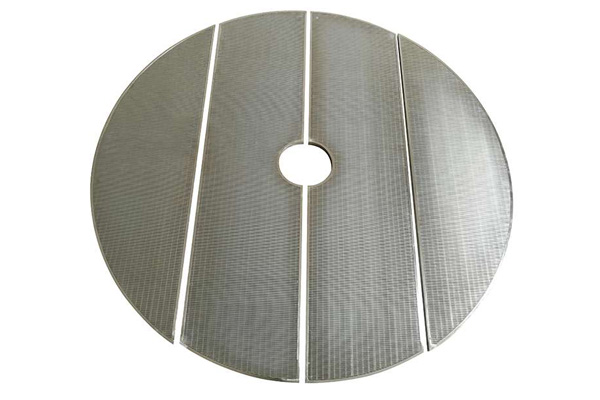
Main Industries Using Wire Screen Support Grid Grating
Petrochemical and Refining Industry
The petrochemical sector is one of the largest users of wedge wire support grid grating. These grids are widely installed inside reactors and pressure vessels where they support catalyst media and maintain proper flow distribution.
Common applications include:
Hydroprocessing reactors
Desulfurization systems
Hydrogenation units
Catalyst bed support systems
FCC reactor internals
In these environments, support grids must withstand:
High temperatures
Extreme pressure
Corrosive chemicals
Heavy catalyst loads
The high strength and open area of wedge wire grids help maintain reactor efficiency while minimizing pressure drop across the catalyst bed.
Chemical Processing Industry
Chemical manufacturing plants rely on support grid systems for filtration, absorption, and media retention processes.
Typical applications include:
Activated carbon filters
Molecular sieve systems
Resin support beds
Absorption towers
Chemical separation vessels
Because many chemical processes involve corrosive fluids and aggressive operating conditions, stainless steel wedge wire grids are preferred for their corrosion resistance and structural reliability.
Water and Wastewater Treatment
Water treatment facilities use wire screen support grid grating in both municipal and industrial filtration systems.
Common applications include:
Sand filter underdrains
Ion exchange systems
Water softening units
Desalination pretreatment
Wastewater screening systems
The continuous slot design improves filtration efficiency while reducing clogging and maintenance requirements. In addition, the high open area helps maintain stable water flow rates throughout the filtration process.
Food and Beverage Industry
In food processing systems, hygienic design and easy cleaning are extremely important. Stainless steel wedge wire support grids are widely used because they offer smooth surfaces and excellent sanitary performance.
Applications include:
Brewery false bottoms
Lauter tun screens
Beverage filtration systems
Sugar processing equipment
Food separation systems
The smooth wedge wire surface minimizes bacterial buildup and supports CIP (Clean-In-Place) cleaning procedures.
Pharmaceutical Industry
Pharmaceutical manufacturing requires highly precise filtration and contamination control. Wedge wire support grids are used in sp ecialized processing equipment where accurate particle separation and sanitary construction are necessary.
These grids are commonly used in:
Inline filtration systems
Reactor internals
Media retention assemblies
High-purity processing equipment
Their precise slot openings help maintain consistent filtration performance in sensitive production environments.
Mining and Pulp & Paper Industry
Mining operations frequently process abrasive slurries and high-solid-content materials that require heavy-duty screening systems.
Wire screen support grid grating is widely used for:
Slurry separation
Dewatering systems
Sieve bend screens
Pulp screening
Wastewater filtration
The robust welded structure allows the grids to withstand severe abrasion and continuous industrial use.
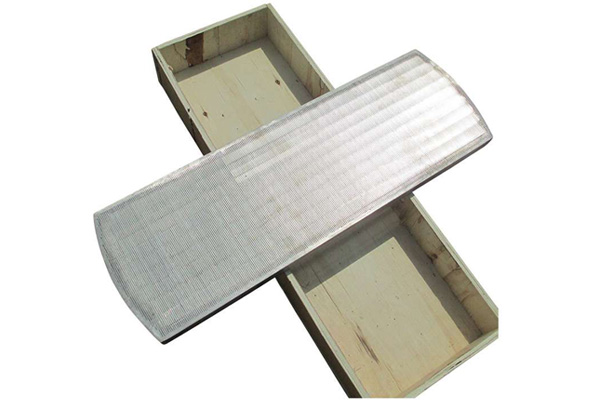
Common Materials Used for Support Grid Grating
Selecting the appropriate material is critical for ensuring long-term performance.
| Material |
Main Advantages |
| SS304 |
Economical and suitable for general industrial use |
| SS316L |
Superior corrosion resistance |
| Duplex Stainless Steel |
High strength and improved chemical resistance |
| Hastelloy |
Excellent resistance in highly corrosive environments |
Material selection typically depends on:
Chemical exposure
Operating temperature
Pressure conditions
Abrasion level
Hygiene requirements
Wedge Wire Support Grid vs Perforated Plate
Many industrial facilities compare wedge wire support grids with traditional perforated plates when selecting filtration support systems.
| Feature |
Wedge Wire Support Grid |
Perforated Plate |
| Open Area |
Higher |
Lower |
| Pressure Drop |
Lower |
Higher |
| Anti-Clogging Performance |
Excellent |
Moderate |
| Flow Distribution |
More uniform |
Less uniform |
| Mechanical Strength |
High |
Moderate |
| Service Life |
Longer |
Shorter |
| Maintenance Frequency |
Lower |
Higher |
Key Design Considerations When Selecting a Support Grid
Choosing the correct support grid design is essential for achieving optimal filtration performance and structural reliability.
Important factors include:
Slot Opening Size
The slot opening determines particle retention and flow rate. Smaller slots improve filtration precision, while larger slots increase throughput.
Load Requirements
The grid must support the total weight of process media, including both static and dynamic operating loads.
Open Area
Higher open area improves flow efficiency and reduces pressure drop across the system.
Operating Temperature and Pressure
Industrial reactors and pressure vessels may require high-strength alloys capable of handling extreme conditions.
Corrosion Resistance
Material selection should match the chemical environment to maximize service life.
Future Demand for Wire Screen Support Grid Grating
As industries continue to focus on process efficiency, environmental protection, and reduced maintenance costs, demand for wedge wire support grids continues to increase.
Modern industrial systems increasingly require:
Higher filtration efficiency
Longer equipment lifespan
Reduced downtime
Improved flow performance
Lower operational costs
Because wedge wire support grids meet these requirements, they remain one of the most reliable solutions for heavy-duty filtration and support applications.
Wire screen support grid grating plays an essential role in many industrial filtration and separation systems. Its high load-bearing capacity, anti-clogging slot structure, low pressure drop, and long service life make it a preferred solution across petrochemical, chemical, water treatment, food processing, pharmaceutical, mining, and pulp & paper industries.
Compared with traditional perforated plates and standard wire mesh systems, wedge wire support grids provide superior durability, improved flow distribution, and more reliable long-term performance.
As industrial processing systems continue evolving toward higher efficiency and greater operational reliability, wedge wire support grid grating will remain a critical component in modern filtration and reactor support technology.
FAQ
What is wire screen support grid grating used for?
Wire screen support grid grating is used for media retention, filtration, separation, and load support in industrial vessels, reactors, and filtration systems.
Why are wedge wire support grids better than perforated plates?
Wedge wire support grids provide higher open area, lower pressure drop, improved anti-clogging performance, and longer service life compared with perforated plates.
What materials are commonly used for wedge wire support grids?
Common materials include Stainless Steel 304, Stainless Steel 316L, duplex stainless steel, and Hastelloy alloys.
Which industries commonly use support grid grating?
Major industries include petrochemical refining, chemical processing, water treatment, food & beverage production, pharmaceuticals, mining, and pulp & paper processing.
How does the V-shaped wire design reduce clogging?
The V-shaped profile creates slots that widen inward, preventing particles from becoming trapped inside the openings and improving self-cleaning performance.