In industrial filtration systems, selecting the right cartridge filter housing is not simply a matter of choosing a filter size. The housing must be engineered to handle the required flow rate, operating pressure, temperature, chemical environment, and maintenance requirements while ensuring long-term reliability.
An incorrectly se lected cartridge filter housing may lead to excessive pressure drop, premature filter failure, unstable process conditions, or even equipment damage. For this reason, engineers typically evaluate three critical parameters during system design: flow capacity, pressure rating, and material selection.
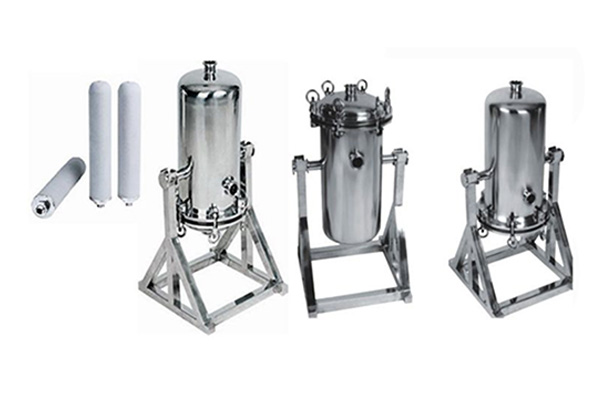
A cartridge filter housing is a pressure vessel designed to contain one or multiple filter cartridges. The housing provides structural support, directs fluid flow through the filter media, and protects the filtration element during operation.
A typical cartridge filter housing consists of:
Depending on application requirements, cartridge housings are available in:
They are widely used in:
Flow capacity determines how much fluid can pass through the cartridge filter housing while maintaining acceptable pressure loss.
An undersized housing may cause:
An oversized housing, however, may increase initial investment and unnecessary equipment costs.
The goal is to achieve the best balance between flow performance and economic efficiency.
The total flow capacity increases as more cartridges are installed.
For example:
More filtration surface area allows higher flow rates while maintaining lower differential pressure.
Common cartridge lengths include:
Longer cartridges provide greater filtration area and higher dirt-holding capacity.
However, increasing cartridge length must be balanced with:
Pressure drop is one of the most important indicators of filtration performance.
It is influenced by:
A well-designed cartridge housing maintains stable flow while keeping pressure loss within acceptable limits.
Cartridge filter housings operate as pressure vessels, meaning they must withstand internal pressure during normal operation and abnormal conditions.
Important pressure parameters include:
Industrial cartridge housings commonly operate within pressure ranges from several bar to higher-pressure systems depending on application requirements.
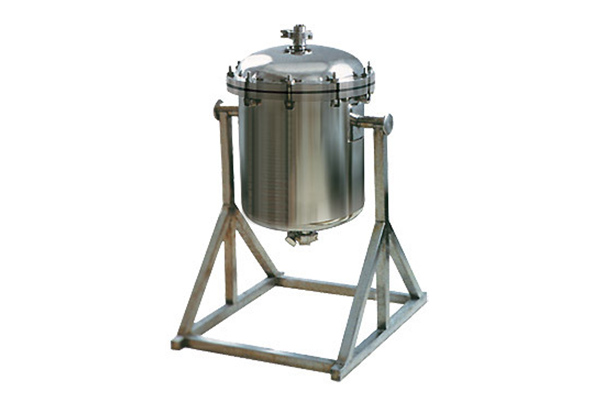
The pressure capability depends heavily on:
Stainless steel housings typically provide excellent strength and corrosion resistance for demanding applications.
As contaminants accumulate, the pressure difference between inlet and outlet increases.
Excessive differential pressure may cause:
Monitoring differential pressure and replacing cartridges at the appropriate time helps protect the housing system.
Material selection directly affects service life and reliability.
Choosing the wrong material may result in:
| Material | Typical Applications |
|---|---|
| Carbon Steel | General industrial fluids with low corrosion risk |
| SS304 | Water treatment and general applications |
| SS316L | Chemical, pharmaceutical, food, and corrosive environments |
| Duplex Stainless Steel | High chloride and seawater applications |
| Special Alloys | Highly aggressive chemical processes |
SS316L is one of the most widely used materials for industrial cartridge filter housings because it provides:
It is especially suitable for:
The connection type affects installation flexibility and maintenance efficiency.
Common options include:
Advantages:
Applications:
Advantages:
Applications:
Advantages:
Applications:
Key requirements:
Common choice:
Key requirements:
Common choice:
Key requirements:
Common choice:
Engineers should evaluate:
Determine:
Consider:
Analyze:
Evaluate:
Flow capacity depends on cartridge quantity, filtration area, fluid properties, and allowable pressure drop. Multi-cartridge systems generally provide higher flow capacity than single-cartridge designs.
SS316L is commonly se lected for demanding industrial applications due to its excellent corrosion resistance and compatibility with many process fluids. The final choice depends on chemical conditions and operating temperature.
Common causes include clogged cartridges, incorrect micron ratings, high fluid viscosity, insufficient filtration area, or undersized housing selection.
With proper material selection, manufacturing quality, and maintenance, stainless steel cartridge filter housings can typically provide many years of reliable service in industrial environments.
A properly engineered cartridge filter housing must balance three essential factors: flow capacity, pressure rating, and material selection. Each parameter directly affects filtration efficiency, equipment safety, and lifecycle cost.
Selecting the correct housing requires a complete understanding of operating conditions, including fluid characteristics, pressure requirements, temperature range, and maintenance expectations.
By applying sound engineering principles during selection and design, industries can achieve more reliable filtration performance, reduce downtime, and maximize the service life of their filtration systems.