In industrial water intake systems, maintaining a continuous and reliable supply of clean water is essential for protecting downstream equipment and ensuring stable operation. However, raw water sources often contain suspended solids, algae, sand, organic matter, and other contaminants that can reduce system efficiency and increase maintenance requirements.
Self cleaning filters for intake water screening provide an efficient solution by automatically removing accumulated contaminants without frequent manual cleaning or system shutdowns. Through automatic backwashing or mechanical cleaning mechanisms, these filters help maintain stable flow, reduce pressure fluctuations, and improve the reliability of water treatment systems.
A self cleaning filter is an automated filtration system designed to continuously remove suspended solids from water while minimizing manual intervention.
Unlike traditional filters that require frequent cartridge or screen replacement, self cleaning filters use automatic cleaning mechanisms to restore filtration performance.
Typical cleaning methods include:
Backwashing with filtered water
Mechanical scraper cleaning
Brush cleaning
Suction scanning systems
During operation:
Raw intake water enters the filter housing.
Contaminants are captured on the internal screen surface.
Differential pressure increases as particles accumulate.
The cleaning cycle automatically starts.
Removed contaminants are discharged while filtration continues.
This process allows continuous water screening with minimal downtime.
Industrial intake water often comes from:
Rivers
Lakes
Seawater sources
Reservoirs
Cooling water systems
These sources may contain:
Suspended particles
Sand and sediment
Organic materials
Biological growth
Floating debris
Without effective screening, contaminants can cause:
Pump damage
Heat exchanger fouling
Pipeline blockage
Reduced equipment efficiency
Increased maintenance costs
A reliable self cleaning filtration system acts as the first protection barrier for industrial water systems.
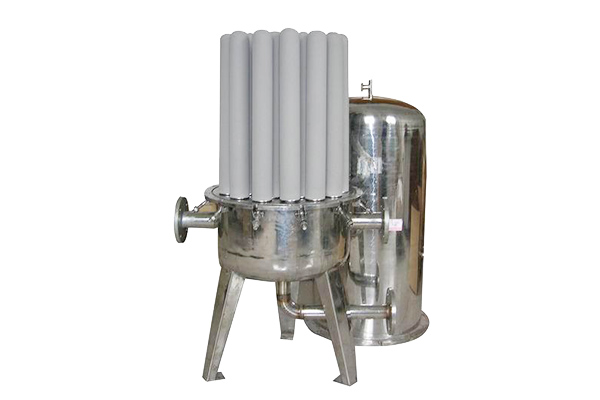
The biggest advantage of self cleaning filters is their ability to maintain filtration performance automatically.
Traditional filters often require:
Manual inspection
Filter element replacement
System shutdowns for cleaning
Self cleaning filters reduce these requirements by automatically removing accumulated debris.
Benefits include:
Continuous operation
Reduced labor requirements
Lower maintenance frequency
More stable water quality
For large industrial facilities, automatic cleaning capability significantly improves operational reliability.
In intake water systems, unstable flow can affect the performance of downstream equipment.
As contaminants build up on conventional screens, resistance increases and flow capacity decreases.
Self cleaning filters help maintain stable operation by controlling contamination buildup.
Advantages include:
Lower pressure fluctuations
Consistent flow rates
Improved equipment protection
Reduced energy consumption
Maintaining stable hydraulic performance is especially important for cooling systems, desalination plants, and industrial process water applications.
The filtration screen is the core component of a self cleaning filter.
Common screen materials include:
Stainless steel wedge wire screens
Perforated metal screens
Mesh screens
Among these options, wedge wire screen technology is widely used in demanding applications because of its:
High mechanical strength
Precise slot openings
High open area
Excellent resistance to clogging
The correct screen design depends on:
Particle size
Water quality
Required filtration accuracy
Flow capacity
Selecting the correct slot opening is critical for intake water screening.
A smaller opening provides better particle removal but may increase resistance.
A larger opening improves flow capacity but may allow unwanted particles to pass.
Engineers must balance:
Filtration accuracy
Flow requirements
Cleaning frequency
Contaminant characteristics
Proper slot selection ensures effective screening without unnecessary pressure loss.
Open area directly influences filtration capacity.
A higher open area allows more water to pass through the screen surface, reducing flow resistance.
Benefits include:
Lower pressure drop
Higher water throughput
Reduced pump workload
Longer operating cycles
For large intake systems, high open-area filter screens can significantly improve energy efficiency.
Intake water environments can be highly challenging, especially when seawater or chemically aggressive water sources are involved.
Common materials include:
| Material | Typical Applications |
|---|---|
| SS304 | General industrial water systems |
| SS316L | Marine and corrosive environments |
| Duplex Stainless Steel | High chloride applications |
| Special Alloys | Extreme chemical conditions |
Proper material selection helps prevent:
Corrosion
Structural failure
Frequent replacement
Long-term reliability depends heavily on matching materials with actual operating conditions.
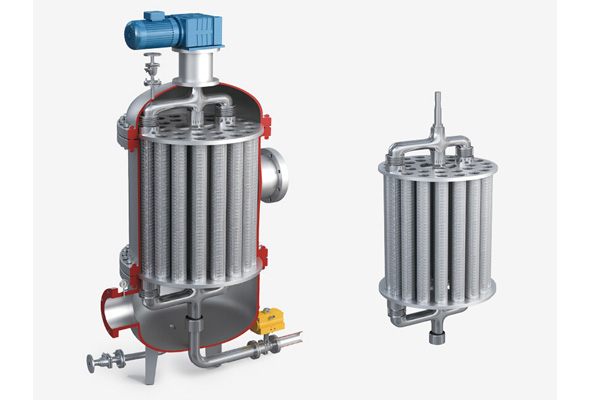
Although self cleaning filters may require higher initial investment than conventional screens, they often provide better lifecycle value.
Cost-saving benefits include:
Automatic cleaning minimizes manual intervention.
Longer operating cycles reduce replacement and service requirements.
Cleaner intake water reduces wear on pumps and downstream equipment.
Continuous operation improves production efficiency.
Used for:
Cooling water filtration
Condenser protection
Pump protection
Used for:
Raw water screening
Pretreatment systems
Membrane protection
Used for:
Seawater intake filtration
Reverse osmosis pretreatment
Used for:
Process water filtration
Cooling systems
Equipment protection
Before choosing a self cleaning intake water filter, consider:
Evaluate:
Suspended solids concentration
Particle size distribution
Organic content
Select a filter size that matches:
Maximum flow rate
Operating conditions
Future capacity requirements
Choose the appropriate mechanism based on:
Contaminant type
Cleaning frequency
Process requirements
Consider:
Corrosion conditions
Water chemistry
Temperature
Evaluate:
Cleaning cycle frequency
Spare parts availability
Service accessibility
Self cleaning filters automatically remove accumulated contaminants, allowing continuous operation with reduced manual maintenance.
Yes. With appropriate corrosion-resistant materials such as SS316L or duplex stainless steel, they are widely used for seawater screening applications.
It maintains stable flow, reduces clogging, protects downstream equipment, and minimizes unexpected shutdowns.
Maintenance frequency depends on water quality, contaminant concentration, operating conditions, and filter design.
Self cleaning filters for reliable intake water screening provide an effective solution for modern industrial water systems that require continuous operation and stable performance.
By combining automatic cleaning technology, optimized screen design, high open area, and durable materials, these filtration systems help reduce maintenance costs, protect downstream equipment, and improve overall process reliability.
For industries relying on large-scale water intake systems, selecting the right self cleaning filter design is essential for achieving efficient, long-term water screening performance.