In continuous industrial processes, filtration systems must operate reliably for long periods while maintaining stable flow, pressure control, and contamination removal performance. As a key component of industrial filtration systems, cartridge filter housing directly affects filtration efficiency, operating safety, and maintenance frequency.
A well-designed cartridge filter housing does more than hold filter cartridges. It provides controlled fluid distribution, protects filtration elements, prevents bypass leakage, and supports stable operation under demanding conditions.
However, the performance of a cartridge filter housing can be influenced by many factors, including flow capacity, pressure conditions, material selection, sealing design, cartridge configuration, and maintenance practices.
Understanding these factors helps engineers select and operate cartridge filter housings more effectively for continuous industrial applications.
A cartridge filter housing is a pressure-resistant enclosure designed to contain one or multiple filter cartridges for liquid or gas filtration.
During operation:
Contaminated fluid enters the housing.
Flow is distributed through the filter cartridges.
Particles and impurities are captured by the filter media.
Clean fluid exits the housing.
The housing structure ensures:
Proper cartridge positioning
Stable fluid flow
Reliable sealing
Safe pressure operation
Common applications include:
Chemical processing
Water treatment
Pharmaceutical production
Food and beverage processing
Petrochemical systems
Industrial process filtration
In continuous operation environments, filtration equipment must maintain performance over extended periods.
Poor housing design or incorrect selection may result in:
Excessive pressure drop
Uneven flow distribution
Cartridge damage
Leakage or bypass
Frequent maintenance
A high-performance cartridge filter housing helps achieve:
Stable filtration efficiency
Longer cartridge service life
Reduced operating costs
Improved process reliability
Flow capacity is one of the most important factors affecting cartridge filter housing performance.
If the housing is undersized, several problems may occur:
Higher fluid velocity
Increased pressure loss
Faster cartridge loading
Reduced filtration efficiency
A properly designed housing should match:
Required flow rate
Fluid viscosity
Contaminant concentration
Number of cartridges
Allowable pressure drop
Multi-cartridge housings are commonly se lected for high-flow applications because they provide greater filtration area and lower flow resistance.
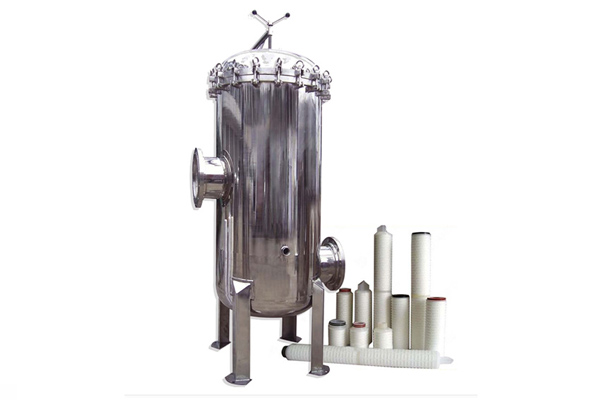
The internal arrangement of cartridges directly affects system performance.
Common configurations include:
Single cartridge housings
Multi-cartridge housings
High-capacity industrial systems
A suitable cartridge arrangement helps ensure:
Even fluid distribution
Balanced loading
Longer operating cycles
Poor cartridge configuration may cause some elements to become overloaded while others remain underutilized.
This reduces overall filtration efficiency and increases replacement frequency.
Industrial cartridge filter housings often operate under continuous pressure conditions.
The housing must withstand:
Operating pressure
Pressure fluctuations
Temperature changes
Mechanical stress
Important design considerations include:
Housing wall strength
Connection design
Closure structure
Internal support components
A reliable pressure design helps prevent:
Leakage
Structural deformation
Unexpected shutdowns
For critical industrial applications, pressure stability is essential for safe operation.
Material compatibility has a direct impact on service life.
Industrial fluids may contain:
Corrosive chemicals
High-temperature liquids
Aggressive solvents
Salts and chlorides
Common housing materials include:
| Material | Typical Applications |
|---|---|
| SS304 | General industrial filtration |
| SS316L | Chemical, pharmaceutical, and high-purity applications |
| Duplex Stainless Steel | High corrosion environments |
| Special Alloys | Highly aggressive processes |
Correct material selection improves:
Corrosion resistance
Mechanical durability
Cleaning capability
Long-term reliability
In continuous filtration systems, sealing performance is critical.
Even a high-quality filter cartridge cannot perform effectively if unfiltered fluid bypasses the filtration media.
Important sealing components include:
Gaskets
O-rings
Cartridge connections
Housing covers
Poor sealing may lead to:
Reduced filtration accuracy
Product contamination
Process instability
A reliable housing design ensures proper contact between cartridges and sealing components throughout operation.
Pressure drop is an important indicator of filtration system performance.
As contaminants accumulate, resistance increases and flow efficiency decreases.
Factors affecting pressure drop include:
Cartridge filtration area
Filter media structure
Fluid viscosity
Contaminant loading
Housing flow path
An optimized cartridge filter housing reduces unnecessary turbulence and maintains smooth fluid movement.
Lower pressure drop helps:
Reduce pump energy consumption
Extend cartridge life
Maintain stable production conditions
A well-designed cartridge filter housing should provide uniform fluid distribution.
Poor internal flow patterns may cause:
Uneven cartridge loading
Localized clogging
Reduced filtration efficiency
Good internal design helps:
Balance flow across cartridges
Improve contaminant capture
Extend replacement intervals
For continuous industrial operation, consistent flow distribution is essential.
Industrial filtration systems require regular inspection and cartridge replacement.
A practical cartridge filter housing should support:
Easy cartridge replacement
Simple cleaning procedures
Reduced maintenance time
Safe operation
Design features such as:
Quick-opening covers
Drainage systems
Accessible internal components
can improve maintenance efficiency.
A housing that is difficult to maintain may increase downtime and operating costs.
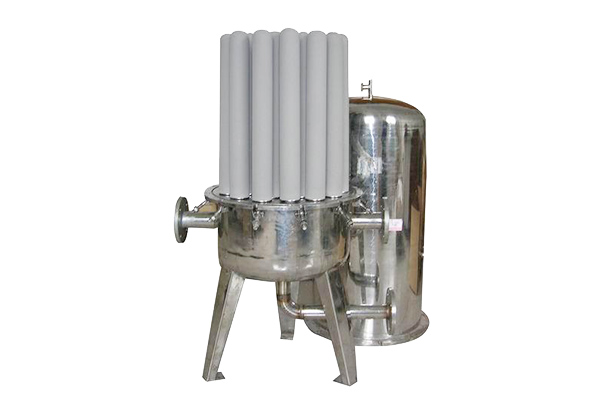
The actual working environment has a significant impact on performance.
Important operating factors include:
Such as:
Viscosity
Temperature
Chemical composition
Including:
Particle concentration
Particle size
Contaminant type
Including:
Continuous operation time
Cleaning frequency
Replacement cycles
Understanding these conditions allows engineers to select a more suitable housing design.
Used for:
Chemical purification
Solvent filtration
Process protection
Used for:
Pretreatment filtration
Equipment protection
Fine particle removal
Used for:
High-purity liquid filtration
Process contamination control
Used for:
Product filtration
Production water treatment
Used for:
Process fluid filtration
Equipment protection
When selecting a cartridge filter housing for continuous operation, consider:
Evaluate:
Required filtration accuracy
Contaminant characteristics
Purity requirements
Consider:
Maximum flow rate
Fluid properties
Pressure drop limits
Select materials based on:
Corrosion environment
Temperature
Chemical exposure
Evaluate:
Cartridge replacement frequency
Cleaning accessibility
Operational downtime
Consider:
Initial investment
Energy consumption
Maintenance requirements
Service life
The main factors include flow capacity, material selection, pressure rating, sealing performance, cartridge configuration, and maintenance practices.
Housing size, internal flow paths, and cartridge arrangement influence fluid resistance and overall pressure loss.
SS316L is commonly used for chemical, pharmaceutical, and high-purity applications due to its corrosion resistance.
Proper material selection, regular maintenance, suitable operating conditions, and optimized flow design can extend service life.
The performance of a cartridge filter housing in continuous industrial operation depends on multiple engineering factors, including hydraulic design, material compatibility, pressure resistance, sealing reliability, and maintenance efficiency.
A properly se lected and designed cartridge filter housing provides stable filtration performance, protects downstream equipment, reduces operational costs, and supports long-term process reliability.
For industries requiring continuous filtration, understanding these performance factors is essential for achieving efficient and dependable operation.