In many industrial filtration systems, maintaining continuous operation is a major challenge. Traditional filters often require frequent shutdowns for manual cleaning or filter media replacement, resulting in production interruptions, increased labor costs, and reduced system efficiency.
Self Cleaning Filters provide an effective solution by automatically removing accumulated contaminants through backwashing, scraping, or other cleaning mechanisms while the filtration process continues. This capability makes them highly valuable in applications requiring stable flow, reduced downtime, and long-term operational reliability.
From water treatment and chemical processing to food, mining, and industrial manufacturing, self-cleaning filtration technology helps improve system performance while lowering total lifecycle costs.
Industrial processes increasingly require filtration systems that can operate 24/7 without frequent intervention.
When conventional filters become contaminated, the following problems may occur:
Increased pressure drop
Reduced flow rate
Higher energy consumption
Frequent filter replacement
Unplanned equipment shutdowns
These issues not only affect filtration efficiency but can also impact downstream equipment such as pumps, heat exchangers, and process reactors.
Self-cleaning filters address these challenges by automatically restoring filtration capacity before excessive fouling occurs.
The working principle of a self-cleaning filter depends on its design, but most systems operate through automatic contaminant removal.
Common cleaning methods include:
A re verse flow direction removes trapped particles from the filter element.
Advantages:
Low maintenance requirements
Reduced media replacement
Suitable for continuous operation
A scraper mechanism removes accumulated solids from the filter surface.
Advantages:
Effective for high-solids fluids
Suitable for viscous applications
Maintains stable pressure drop
Collected contaminants are discharged through an automatic valve without stopping filtration.
These cleaning methods allow the filter to maintain consistent performance while reducing manual intervention.
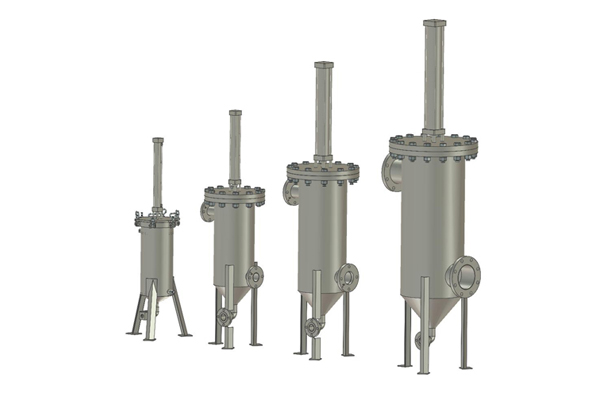
One of the most important benefits of self-cleaning filters is maintaining stable hydraulic performance.
Traditional filtration systems often experience increasing pressure drop as contaminants accumulate.
High differential pressure can lead to:
Reduced system flow
Increased pump load
Higher operating costs
Process instability
Self-cleaning filters monitor operating conditions and initiate cleaning when required.
By controlling contamination buildup, they help maintain:
More consistent flow rates
Lower pressure fluctuations
Improved energy efficiency
This is especially important for industrial systems where process stability directly affects product quality.
Although self-cleaning filters usually require a higher initial investment than manual filtration systems, their lifecycle value is often significantly better.
The main cost advantages include:
Traditional bag or cartridge filters require frequent replacement.
Self-cleaning systems reduce dependence on disposable filter elements, lowering consumable costs.
Automatic cleaning reduces the need for operators to perform frequent inspection, cleaning, and replacement tasks.
Continuous filtration minimizes shutdown periods and improves equipment availability.
Over the long term, these savings can offset the initial equipment investment.
Self-cleaning filters are particularly suitable for fluids containing high levels of suspended solids.
Applications include:
Industrial wastewater
Cooling water systems
Process fluids
Chemical solutions
Mining slurry
Food processing liquids
In these environments, traditional filters may clog quickly and require frequent maintenance.
Self-cleaning technology allows contaminants to be continuously removed, improving system reliability under demanding operating conditions.
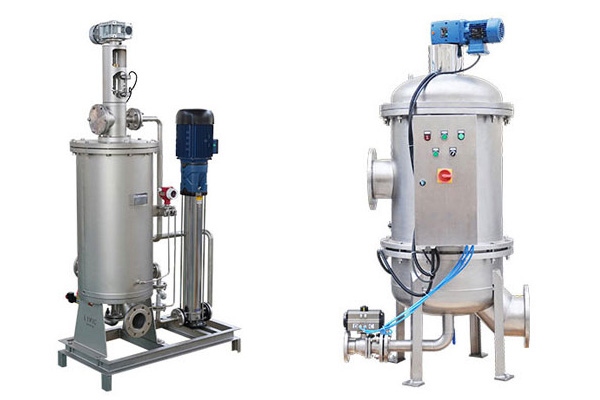
The performance of a self-cleaning filter depends heavily on the filter element design.
Common filter media include:
Stainless steel wedge wire screens
Perforated metal elements
Mesh screens
Sintered metal filters
Among these, wedge wire filter elements are widely used because of their:
High open area
Strong mechanical structure
Low clogging tendency
Excellent cleanability
The V-shaped slot design allows particles to be released more easily during cleaning cycles, supporting long-term filtration efficiency.
Self-cleaning filters are widely used across multiple industries.
Used for:
Pre-filtration
Cooling water protection
Industrial wastewater treatment
Suitable for filtering:
Corrosive fluids
Process chemicals
High-viscosity liquids
Used where:
Continuous operation is required
Hygiene standards are important
Product loss must be minimized
Helpful for:
Slurry filtration
High-solid fluid separation
Equipment protection
Choosing the correct self-cleaning filter requires evaluating several operating factors:
Particle size, concentration, and material properties influence filter design.
The filter must provide sufficient capacity without creating excessive pressure loss.
Different applications may require:
Backwashing
Mechanical scraping
Automatic flushing
Filter materials should match the fluid environment.
Common materials include:
Stainless steel 304
Stainless steel 316L
Duplex stainless steel
Special alloys for aggressive chemicals
Proper selection ensures reliable operation and longer service life.
The main advantage is continuous filtration without frequent shutdowns for manual cleaning or filter replacement.
Cleaning frequency depends on contamination level, flow conditions, and differential pressure settings. Many systems clean automatically when required.
Yes. They are commonly used in applications with high suspended solids because they can remove accumulated contaminants during operation.
Yes. By reducing labor, consumable replacement, and downtime, they often provide lower total lifecycle costs compared with traditional filtration systems.
Self Cleaning Filters provide an efficient solution for industries requiring reliable and continuous filtration performance. Their automatic cleaning capability helps maintain stable flow, reduce pressure fluctuations, minimize maintenance requirements, and extend equipment service life.
Although the initial investment may be higher than conventional filtration systems, the long-term benefits in operational efficiency and lifecycle cost reduction make self-cleaning filters an increasingly important technology for modern industrial filtration applications.